Introduction
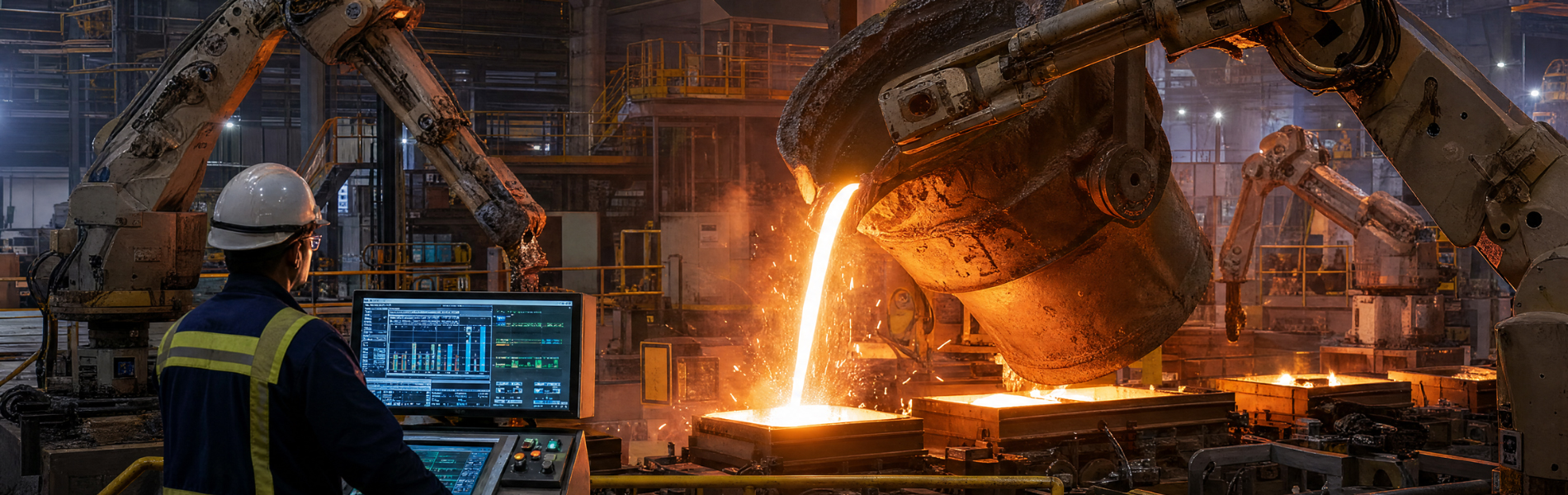
The global manufacturing sector is evolving rapidly, and Casting industries are at the center of this transformation. From automotive production to heavy engineering and industrial machinery, steel casting plays a critical role in building durable, high-performance components. However, today’s market demands more than just mass production manufacturers now need higher precision, faster delivery, reduced defects, and cost-efficient operations.
This growing demand is exactly why manufacturers, procurement managers, and shop owners continue searching for reliable and advanced casting solutions. Businesses are looking for partners who can deliver consistency, innovation, and scalable production capabilities without compromising quality. This article explores how modern technology is revolutionizing steel casting processes and helping industries improve efficiency, sustainability, and product reliability.
Companies involved in precision engineering and industrial manufacturing, including firms like Shalimar Precision, are witnessing how digital transformation is changing traditional foundry operations into smarter and more efficient production systems.
The Digital Shift in Casting Industries
For decades, steel casting relied heavily on manual operations and traditional production methods. While these processes built the foundation of modern manufacturing, they often came with challenges such as material wastage, dimensional inaccuracies, and longer production cycles.
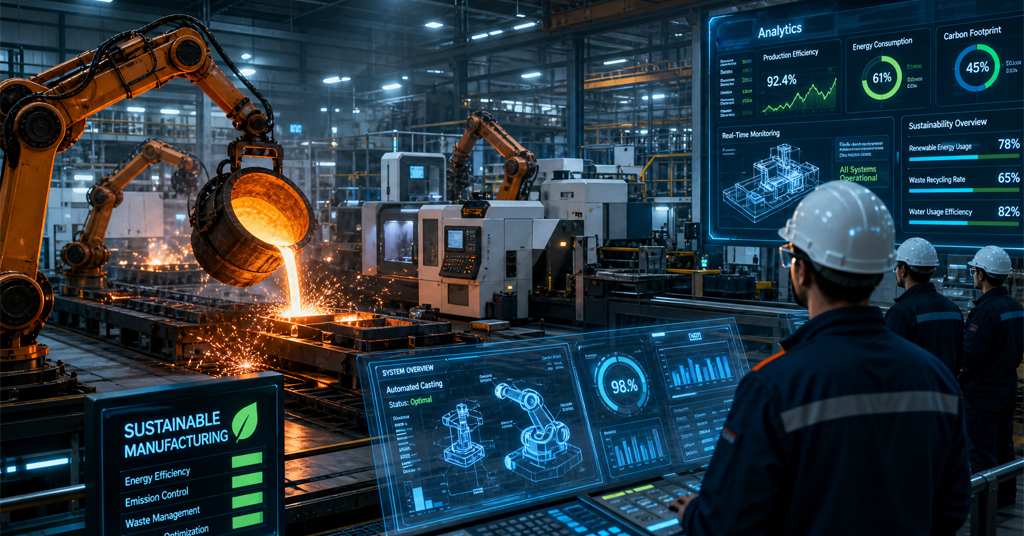
Today, advanced technologies like automation, robotics, artificial intelligence, and computer-aided manufacturing are reshaping Casting industries across the globe. Modern foundries now use digital simulations and predictive analysis to detect potential casting defects before production even begins.
This shift allows manufacturers to:
- Improve product consistency
- Reduce operational costs
- Minimize production downtime
- Enhance worker safety
- Deliver faster turnaround times
As industries become increasingly competitive, technological adoption is no longer optional it is essential for survival.
Automation and Smart Manufacturing in Steel Casting
Automation has become one of the biggest breakthroughs in steel casting manufacturing. Robotic handling systems, automated pouring equipment, and real-time monitoring tools are improving production accuracy while reducing human error.
Smart manufacturing systems can now monitor temperature, pressure, mold quality, and cooling rates throughout the casting cycle. This data-driven approach helps manufacturers optimize operations and maintain strict quality standards.
In sectors such as auto diecasting, precision is critical because even a small dimensional error can impact vehicle performance and safety. Automated systems help ensure repeatable quality for automotive components and industrial machinery parts.
Many modern facilities are also integrating Industrial Internet of Things (IIoT) technologies, allowing engineers to monitor production remotely and make real-time adjustments when necessary.
The Rise of Custom Metal Casting Solutions
Manufacturers today need highly specialized components designed for unique industrial applications. This demand has accelerated the growth of custom metal casting mold solutions across multiple sectors.
Advanced software tools now allow engineers to create highly detailed 3D models before production starts. Through computer-aided design (CAD) and simulation technologies, manufacturers can test mold performance virtually and reduce design flaws early in the process.
This innovation has significantly improved the efficiency of:
- Industrial equipment manufacturing
- Agricultural machinery production
- Construction components
- Automotive systems
- Aerospace engineering
The ability to create a custom die cast solution gives manufacturers more flexibility while maintaining structural integrity and production efficiency.
How Copper and Zinc Casting Technologies Are Evolving
While steel casting remains a core industrial process, non-ferrous casting methods are also advancing rapidly. Technologies such as copper die casting and custom zinc die casting are gaining popularity because of their excellent dimensional accuracy, corrosion resistance, and lightweight properties.
Copper casting is widely used in electrical and thermal applications due to its conductivity and durability. Zinc die casting, on the other hand, is preferred for producing detailed components with smooth surface finishes and excellent strength.
Modern die casting systems now offer:
- Faster cycle times
- Better mold longevity
- Improved surface quality
- Reduced material waste
- Higher production scalability
These innovations are helping manufacturers meet increasing global demand while maintaining competitive production costs.
Artificial Intelligence and Predictive Quality Control
Artificial intelligence is becoming a game-changer in Casting industries. AI-powered systems can analyze production data, detect anomalies, and predict defects before they affect the final product.
For example, machine learning algorithms can identify patterns linked to porosity, shrinkage, or cracking in steel castings. This predictive approach reduces rejection rates and improves overall manufacturing efficiency.
Quality control systems using AI and machine vision can also inspect cast components in real time, ensuring every part meets strict engineering standards before shipment.
This level of precision is particularly valuable in industries where component failure can result in major operational or safety risks.
Sustainability and Energy Efficiency in Modern Foundries
Environmental sustainability has become a major focus for industrial manufacturers worldwide. Traditional casting operations often consumed large amounts of energy and generated significant waste.
Today’s advanced foundries are adopting energy-efficient furnaces, recyclable molding materials, and cleaner production technologies to reduce their environmental impact.
Modern steel casting facilities are also using data analytics to optimize energy consumption and minimize raw material losses during production.
As governments and industries continue pushing for greener manufacturing practices, sustainable innovation will play a crucial role in the future growth of the casting sector.
Conclusion
Advanced technology is redefining the future of steel manufacturing and creating new opportunities for Casting industries worldwide. From automation and AI-driven quality control to custom mold engineering and sustainable production methods, innovation is helping manufacturers achieve greater precision, efficiency, and reliability.
Businesses searching for dependable casting solutions are no longer focused solely on production capacity; they are looking for technological expertise, consistency, and long-term value. As the industry continues evolving, companies that embrace smart manufacturing and advanced engineering will remain ahead in an increasingly competitive global market.